
A tooth moving in a way that is different from normal is a condition that should generally not be ignored. While loose teeth are considered natural in childhood, in adults, the loosening of a permanent tooth is often associated with an underlying problem. Trauma, infections, or poor oral hygiene are among the most common causes.
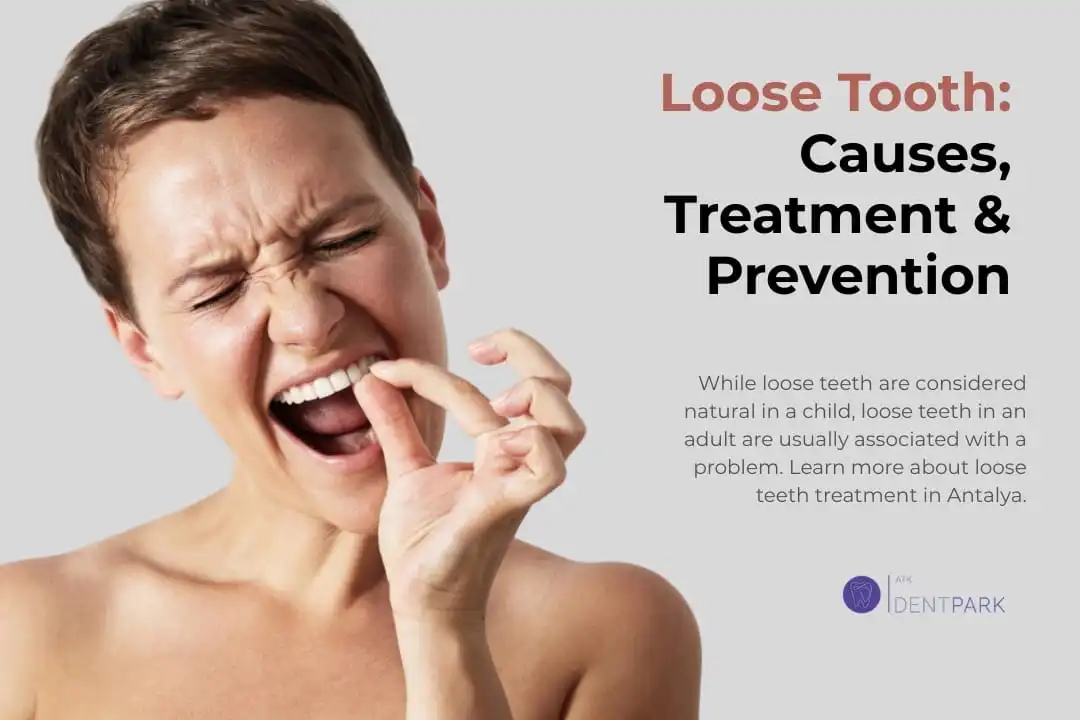
Seeking immediate medical attention when tooth mobility is noticed is critical for preserving the tooth. In some cases, professional cleaning and regular oral hygiene can stabilize the tooth. In more advanced cases, surgical intervention or other treatment options may be necessary. Early assessment is always the best approach, as delay can lead to more serious problems such as pain, swelling, and infection.
Even if everything seems fine in your oral health, some small signs can point to a serious problem. If you feel movement in your teeth during daily routines such as brushing, flossing, or eating, you should pay attention. The feeling of a tooth slipping, especially when biting, is one of the most obvious signs of loosening. In addition, changes in your gums, unusual redness, sensitivity to touch, or bleeding during brushing are important clues. Gum recession, noticeable swelling, and discoloration of the tooth surface also indicate an underlying problem.
The movement of a tooth usually doesn't happen suddenly. The loosening of baby teeth during childhood is a natural process; however, the loosening of teeth in adults is often an indication of an underlying problem. Here are the reasons mentioned by the dentists at ATK Dentpark:
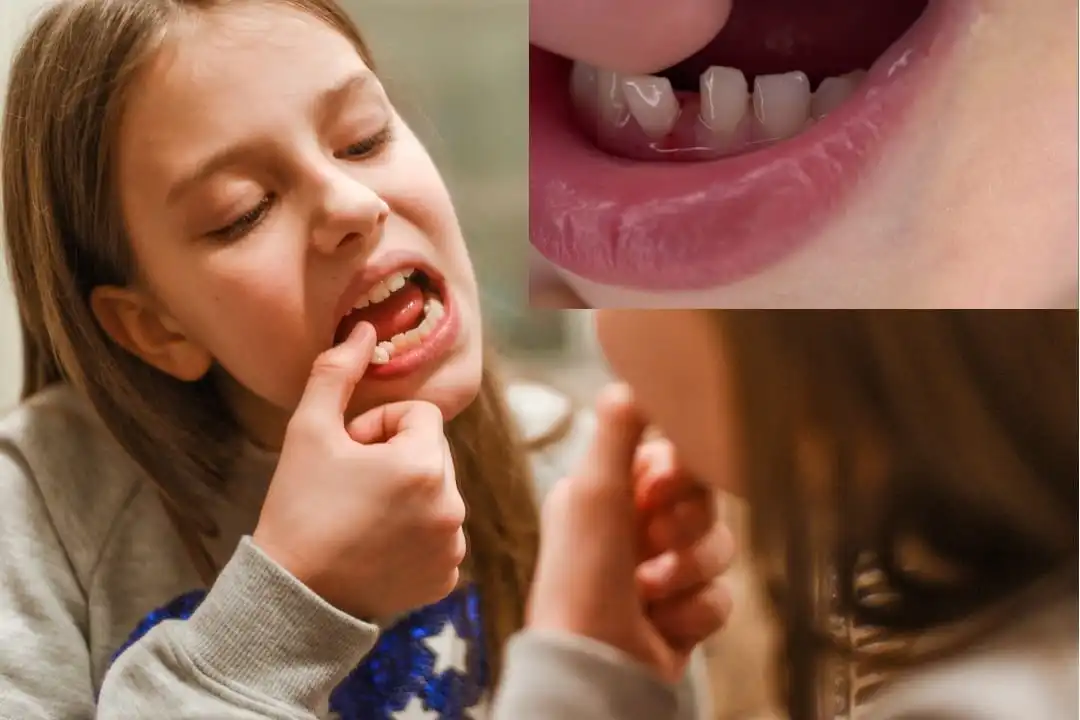
Gum disease is the most common cause of loose teeth in adults. to open. When the tissues and bone structure surrounding the tooth weaken, the tooth's support decreases.
Trauma, such as falls or blows, can also affect the structures that hold the teeth in place.
Constant clenching or grinding of teeth can put excessive stress on the teeth over time, leading to mobility.
Decreased bone density, inadequate oral care, and hormonal changes are also among the factors that accelerate this process.
Early evaluation when tooth mobility is noticed can help prevent more serious problems.
Treatment for a loose tooth is planned based on the degree of mobility and the underlying factors that caused this condition. In some cases, simple and non-surgical methods may be sufficient, while more advanced cases may require extensive gum treatments or surgical procedures.
In cases of loosening caused by trauma, teeth grinding, or excessive pressure, the load on the teeth is reduced first. Bite balance can be adjusted, protective devices like night guards can be recommended, and additional support can be provided to the tooth through tooth stabilisation if necessary. These methods help the tooth remain more stable during the healing process.
If the problem is caused by gum disease, treatments such as professional teeth cleaning, root surface smoothing, and gum or bone grafts can be applied.
A loose permanent tooth is usually a condition that requires professional evaluation. Home remedies won't directly tighten the tooth; however, they can help keep the situation under control and reduce the risk of further damage until you see a dentist.
First, it's important to pay attention to oral hygiene. Gargling with warm salt water can reduce gum sensitivity and help control microorganisms in the mouth. Avoiding hard and difficult-to-chew foods reduces pressure on the loose tooth. Antibacterial mouthwashes can help maintain oral balance.
If you have a habit of clenching or grinding your teeth, night guards can limit the excessive load on the teeth. Gently massaging the gums can increase blood flow and strengthen tissues. It's also important not to force the loose tooth, to chew on the opposite side whenever possible, and not to move the tooth.
It's not always possible to completely prevent teeth from loosening. Accidents and impacts are beyond our control. However, in most cases, it's possible to reduce this risk with the right habits.
Brushing your teeth twice a day, using dental floss, and choosing a soft-bristled toothbrush protects your gums.
If you notice bleeding, discoloration, or sensitivity in your gums, it's not the right thing to do. Early intervention can prevent teeth from loosening.
Smoking and e-cigarettes reduce the resistance of the gums. Therefore, it's important to stay away from these habits.
If you have a habit of clenching or grinding your teeth, constant pressure is put on them.
Using a night guard reduces this pressure.
Using a mouthguard reduces the risk of impact for people who play sports.
Nutrition also affects dental health. Calcium and vitamin D strengthen the supporting structure of teeth. Excessive sugar and acidic drinks damage tooth tissues.
Regular dental check-ups allow for early detection of potential problems. Even if only one tooth loosens, you should consult a dentist.
In summary, it's not always possible to completely prevent teeth from loosening. However, with proper care and healthy habits, this risk can be significantly reduced.
A loose tooth is often a warning sign that shouldn't be ignored. If a tooth is wobbling or has come loose, early intervention can increase the chances of saving it. Timely assessment can stop the problem from progressing and, in some cases, save the tooth.
If you notice any movement in your tooth, seeking professional advice is the best course of action. At ATK Dentpark, we determine the most suitable approach for you with various options ranging from crowns to dental implant treatments. You can start the process early by scheduling an appointment.
Do you need a professional dentist in Antalya? Visit Dr. Ela Yaşar at ATK Dentpark!
Sometimes yes. If the problem is detected early and the right care is given, the tooth can regain strength. But this depends on the cause of the loosening.
Absolutely not. Regular brushing, flossing, and a balanced diet support the tooth. But they alone will not solve a serious tooth loosening.
Partially. Salt water reduces inflammation. But it does not stabilize the loose tooth.
It can fall out if left untreated. The risk increases, especially if there is a gum problem or trauma.
The problem worsens. Infection can develop. Gum recession can occur, and bone support can decrease.
Don't wait. Go to the dentist as soon as possible. Early intervention can save the tooth.
In some cases, yes. But most of the time, professional help is needed.
Yes in children. Generally no in adults. This usually indicates an underlying problem.
If a tooth moves after an impact, don't wait. If there is severe pain, swelling, or infection, go to the dentist immediately.