
Your crown fell off… and now the tooth underneath looks black. Yeah, not exactly a fun moment. It can look pretty alarming at first, honestly. But try not to panic right away.
The good news? Crowns are actually made to last. Most crowns stay in good shape for many years. Research shows around 90% are still fine after 5 years, and a big number still last well over 10 years too. So, if one falls off, it does not always mean disaster.
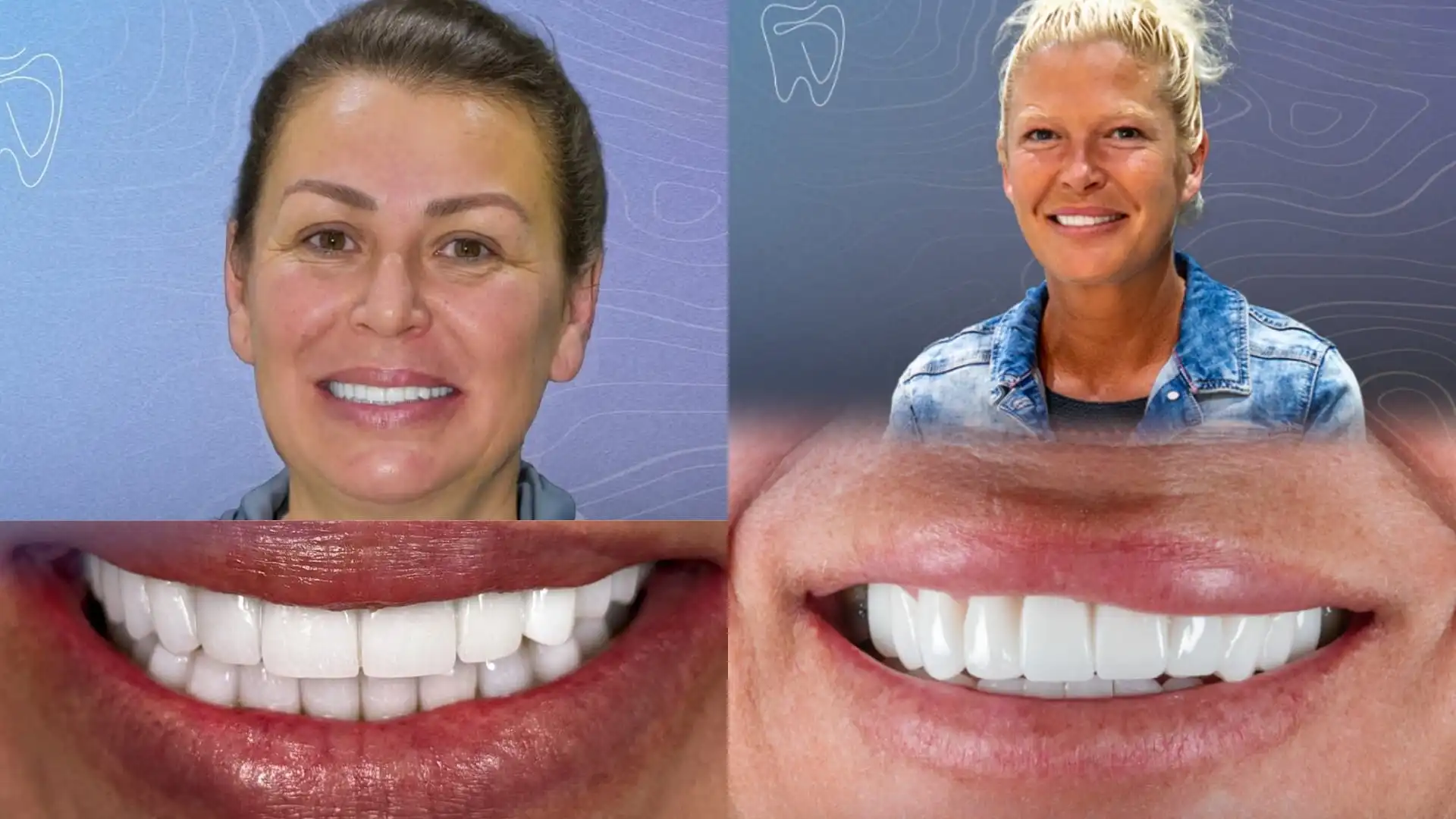
That dark colour under the crown usually means something has been going on underneath for a while. Sometimes it's decay. Sometimes the tooth nerve has died over time. And sometimes it's just staining from old dental work or metal underneath.
Either way, your tooth is basically telling you, 'Hey… I need attention here.'
So, what should you do now? Let's go step by step.
Most of the time, something has been slowly changing underneath for a while… you just don't notice it until the crown suddenly comes loose while eating lunch or biting into something random. Honestly, sometimes people tell me it happened while eating soft bread and they're shocked.
One of the most common reasons is age. The cement holding the crown in place weakens over time. Little by little, the grip gets weaker… then one day, pop, the crown comes off.
Decay under the crown is another big one. The crown itself can't decay, true. But the real tooth underneath absolutely can. If bacteria sneak under the edges, the tooth slowly weakens underneath without you even seeing it.
And then there's the black colour people sometimes notice. Yeah… that part scares people fast. But usually, it's the tooth telling us the nerve inside may no longer be healthy. Inside the tooth there's soft tissue, kind of the 'living' part of the tooth. If that tissue dies or gets infected, the tooth can darken over time from the inside out.
A study shows that teeth with crown discolouration are nearly 24 times more likely to have a dead nerve (pulp necrosis) than those without.
Grinding your teeth at night can play a part too. A lot of people clench without realising it. That constant pressure puts stress on both the crown and the tooth underneath. Hard foods, ice chewing, even opening packages with teeth...
When people see a black tooth after a crown falls off, the first reaction is usually panic. Totally understandable.
But take a breath for a second. Black doesn't always mean the tooth is completely ruined.
Dentists see this stuff all the time, really. It looks scary to patients because it appears suddenly once the crown comes off, but often the problem's been sitting quietly underneath for a while.
First thing? Don't try to glue the crown back yourself. People do this more than you'd think. Super glue and teeth should never meet each other.
Rinse your mouth gently with warm water, keep the area clean, and avoid chewing on that side. The tooth underneath is usually weaker now, especially if a big part of it was already shaved down for the crown years ago. Hard foods are not your friend right now.
And keep the crown. Even if it looks weird. Sometimes we can reuse it temporarily, sometimes permanently, depending on what's going on underneath.
If you're having swelling, throbbing pain, a bad smell, a strange taste or pus, don't try to place the crown back yourself. That can point to infection and it's one of those 'call the dentist sooner rather than later' situations.
Most of the time, the next step is an X-ray. That tells us the real story. Maybe the tooth just needs cleaning and a new crown. Maybe there's decay that needs removing first. Sometimes a root canal is needed. And yes, occasionally the tooth can't be saved. You don't know until someone checks properly.
As soon as possible if you see some sign below.
If your crown feels loose, cracked, painful or suddenly different, don't wait too long hoping it fixes itself.
If you notice a bad smell, dark colour under the crown, bleeding gums, swelling, pressure when biting or food constantly getting trapped there… honestly, that's your sign to get it checked.
And if the crown completely falls off, comes loose repeatedly or the tooth underneath looks black, sensitive or broken, visit your dentist without delaying it.
The treatment really depends on what's going on under the crown. That's why the first step is usually an exam and an X-ray. We need to see whether the problem is just the crown… or the tooth underneath too.
If the crown simply came loose and the tooth is still healthy, we can often clean everything and cement the crown back in place.
If there's decay under the crown, we remove the decay first, clean the area properly and then decide whether the old crown can stay or if a new one is needed.
If the tooth nerve is infected or the tooth has become painful, swollen or dark from inside, root canal treatment may be necessary before placing a new crown.
And sometimes, the tooth is too damaged to save. In those cases, we talk about replacement options like a dental implant or bridge. Not the news anyone wants, I know… but catching problems early usually helps us avoid getting to that stage.
Yes, many black teeth under crowns can still be treated, especially if the problem is caught early. Sometimes the tooth just needs cleaning and a new crown, while other cases may need root canal treatment or more repair work first.
Sometimes yes, but if the tooth underneath is badly decayed or weakened, the crown may keep coming loose or eventually fail until the real problem underneath is treated properly.
Try to see a dentist within a few days if you can, because the longer the tooth stays exposed, the higher the chance of decay, sensitivity, cracks or infection starting underneath.
Yes, you can gently rinse and keep the area clean at home, but if the tooth looks black under the crown, it really needs a dentist because brushing alone cannot remove decay or damage underneath.
Not exactly, because your tooth cannot reject a crown like the body rejects an organ, but crowns can fail if there's decay, infection, grinding, poor fit or problems with the tooth underneath.
No, household glues are not intended for use in the mouth. They can damage your teeth, irritate your gums and make it more difficult for your dentist to put the crown back properly.
A good quality dental crown can last between 10 and 15 years, although this can be longer with good oral hygiene.
If you find your fallen crown, gently rinse it in clean water and place it in a clean, small container. Don't soap it or scrub it. Bring the crown to the dental appointment.
At ATK Dentpark, it's not just about the treatment, it's about how you're cared for.
We've got the latest equipment, sure, but more importantly, we've got a team that knows what they're doing and actually enjoys doing it. We do screw-retained implants in Antalya all the time. They're strong, long-lasting and easy to adjust if needed.
When you come in, it's not just about sitting in a chair. You're with people who listen, explain things, and make you feel comfortable. We'll handle the technical stuff; you just focus on getting your smile back.
Ready to feel good about your smile again? Contact ATK Dentpark today and let's get started.