
Zirconium dioxide (zirconia) is a strong ceramic often used for back teeth. All-ceramic porcelain can closely match the colour and translucency of natural enamel, making it an option for front teeth.
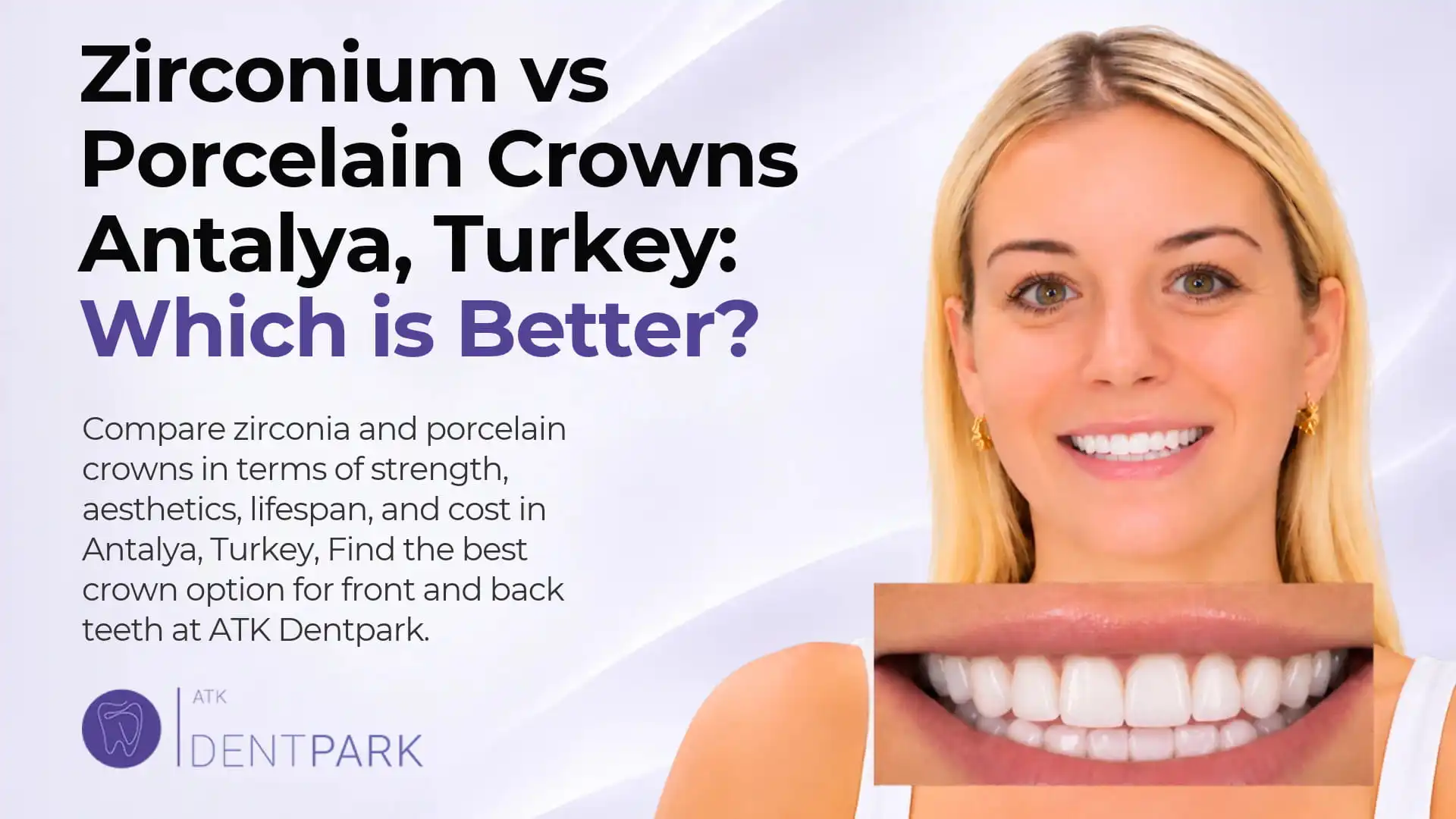
Which is better? It depends on your teeth, your budget and what you want your smile to look like. So, how do zirconium and porcelain crowns compare in terms of cost, appearance, and how long they last?
A porcelain crown is a tooth-shaped cap placed over your damaged or weak tooth.
You may need a porcelain crown if your tooth is broken, badly worn down or too weak for a regular filling. This also improves the shape and colour of your tooth when appearance is a concern.
Porcelain looks a lot like natural tooth enamel. Dentists choose a colour that matches your other teeth. You still have your own tooth underneath, but it now has a new outer covering.
A zirconia crown is a tooth-shaped cap made from zirconium dioxide, a strong, metal-free ceramic. It covers a damaged, weak or heavily filled tooth to restore its shape, strength and function. Zirconia resists chipping and heavy chewing forces, so it is often chosen for back teeth and for people who grind their teeth.
Modern multilayer zirconia is made with colour layers that shade from the gum line to the biting edge, so it looks closer to a natural tooth than older, solid zirconia. It keeps the strength zirconia is known for, which is why many dentists use it for both front and back teeth.
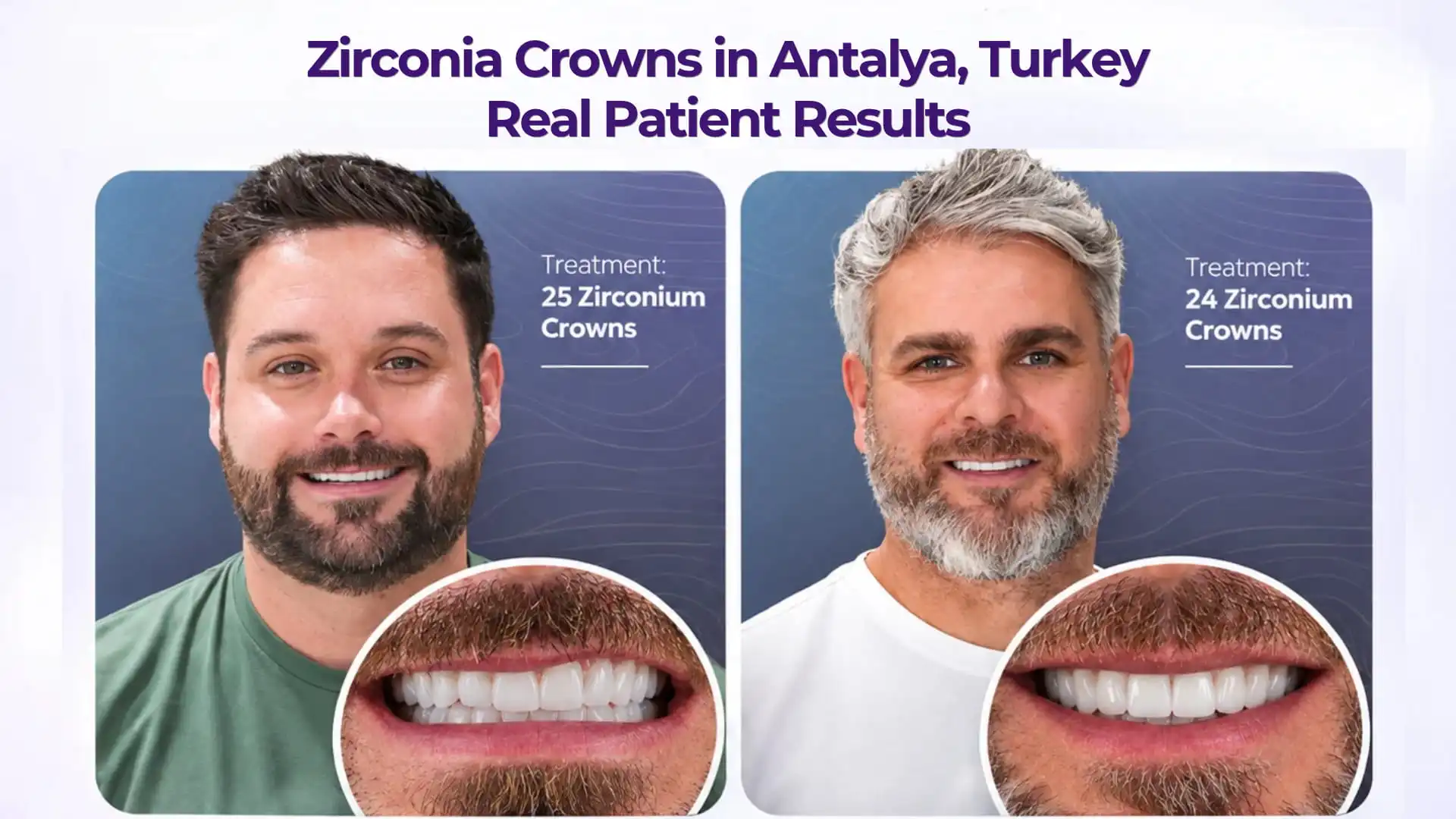
Zirconia and porcelain crowns can both restore damaged teeth, but there are some differences in strength, appearance and cost.
| Feature | Zirconia crowns | Porcelain crowns |
|---|---|---|
| Strength | Very strong | More prone to chipping |
| Durability | Excellent, long-lasting | Good, long-lasting |
| Aesthetics | Natural, slightly opaque | More translucent appearance |
| Natural appearance | Good colour match | Excellent colour match |
| Tooth preparation | Varies by crown design and tooth condition | Varies by crown design and tooth condition |
| Biocompatibility | Highly biocompatible | Highly biocompatible |
| Stain resistance | Excellent | Excellent |
| Chipping risk | Generally lower | Generally higher |
| Gum compatibility | Generally well tolerated | Generally well tolerated |
| Best for | Front and back teeth | Often front teeth |
| Cost | Often more expensive | Depends on type |
| Metal content | Metal-free | All-ceramic crowns are metal-free. Porcelain-fused-to-metal crowns have a metal core. |
Indicative prices in Antalya are £120 – £250 per tooth for zirconia crowns, £95 – £130 per tooth for porcelain-fused-to-metal crowns and £200 – £260 per tooth for all-ceramic crowns such as E-max. Confirm current prices with the clinic.
The final price depends on the number of teeth, the crown material and brand, any additional dental work, and the clinic and dentist.
For a final price, your questions and online examination, please contact us now.
Zirconia can be a good option for back teeth that take heavy chewing pressure. If you grind your teeth, ask your dentist about material choice and the risk of zirconia crown problems.
If your priority is a natural-looking front tooth, all-ceramic porcelain may offer a close match to the colour and translucency of your natural teeth.
If you're looking for a more affordable option, porcelain-fused-to-metal crowns are affordable compared with zirconia.
Still unsure? Your dentist will check your bite, tooth condition and smile to help you choose the right crown.
Not sure whether zirconia or porcelain crowns are right for you? At ATK Dentpark in Antalya, Turkey, our dental team will assess your dental needs and help you choose the most suitable crown material based on durability, natural appearance and your budget.
Contact ATK Dentpark today to discuss your treatment options, compare dental crown costs and receive a personalised treatment plan.
All-ceramic porcelain crowns can match the colour and translucency of front teeth closely. Zirconia is often chosen for back teeth that take more chewing pressure. Your dentist can help you choose based on your bite and the position of the tooth.
A review estimated five-year survival at 96.8% for monolithic zirconia, 97.3% for veneered zirconia, 90.4% for feldspathic ceramic and 98.5% for monolithic lithium disilicate. How long an individual crown lasts depends on factors such as fit, your bite and oral care.
Not always. Fully ceramic crowns, such as E-max, generally offer the most natural appearance on front teeth as they allow more light to pass through. Modern multi-layered zirconia crowns, on the other hand, can provide a very natural aesthetic as well as high durability. The right choice is determined in consultation with your dentist, based on the tooth’s position, the force of your bite and your expectations.
Yes. Zirconia crowns can chip or break. Biting very hard foods or grinding your teeth can damage a zirconia crown.